
Suspension springs are not one-size-fits-all components. Whether for OEM platforms, modified vehicles, or specialized applications, choosing the correct suspension spring is essential for performance, safety, and longevity.
But what exactly makes one spring different from another? Let’s break down the key technical parameters that influence suspension spring selection.
1. Spring Rate (Stiffness)
The spring rate defines how much force is required to compress the spring by a specific amount (usually measured in N/mm or lb/in).
- Higher spring rate: Firmer ride, better handling, less body roll
- Lower spring rate: Softer ride, more comfort, better for uneven roads
Proper spring rate selection balances vehicle weight, desired comfort, and handling dynamics.
2. Wire Diameter and Material
The wire thickness affects both spring strength and fatigue life. Common spring steels include:
- 55CrSi (Chrome-Silicon Alloy): Excellent fatigue resistance
- SAE9254: High tensile strength, used in performance applications
- Stainless Steel (17-7PH, etc.): Corrosion-resistant, ideal for marine or humid environments
Material choice also impacts spring weight, coil count, and heat treatment requirements.
3. Number of Active Coils
More coils generally result in softer springs, while fewer coils offer stiffer characteristics. The active coil count is a critical factor in fine-tuning spring performance for:
- Ride height
- Suspension travel
- Load-bearing capacity
4. Free Length and Installed Height
Free length is the spring’s natural length without load. Installed height is the compressed length when fitted into the suspension system. Getting these right is crucial for:
- Maintaining proper ride height
- Preventing coil bind or suspension over-extension
5. Spring Shape & Ends
Common spring types include:
- Linear (constant rate): Same stiffness throughout compression
- Progressive: Variable stiffness, soft at first, stiffens under load
- Barrel-shaped or conical designs: Reduce height and noise in tight spaces
End shapes (tapered, ground, pigtail) affect how the spring seats in the assembly.
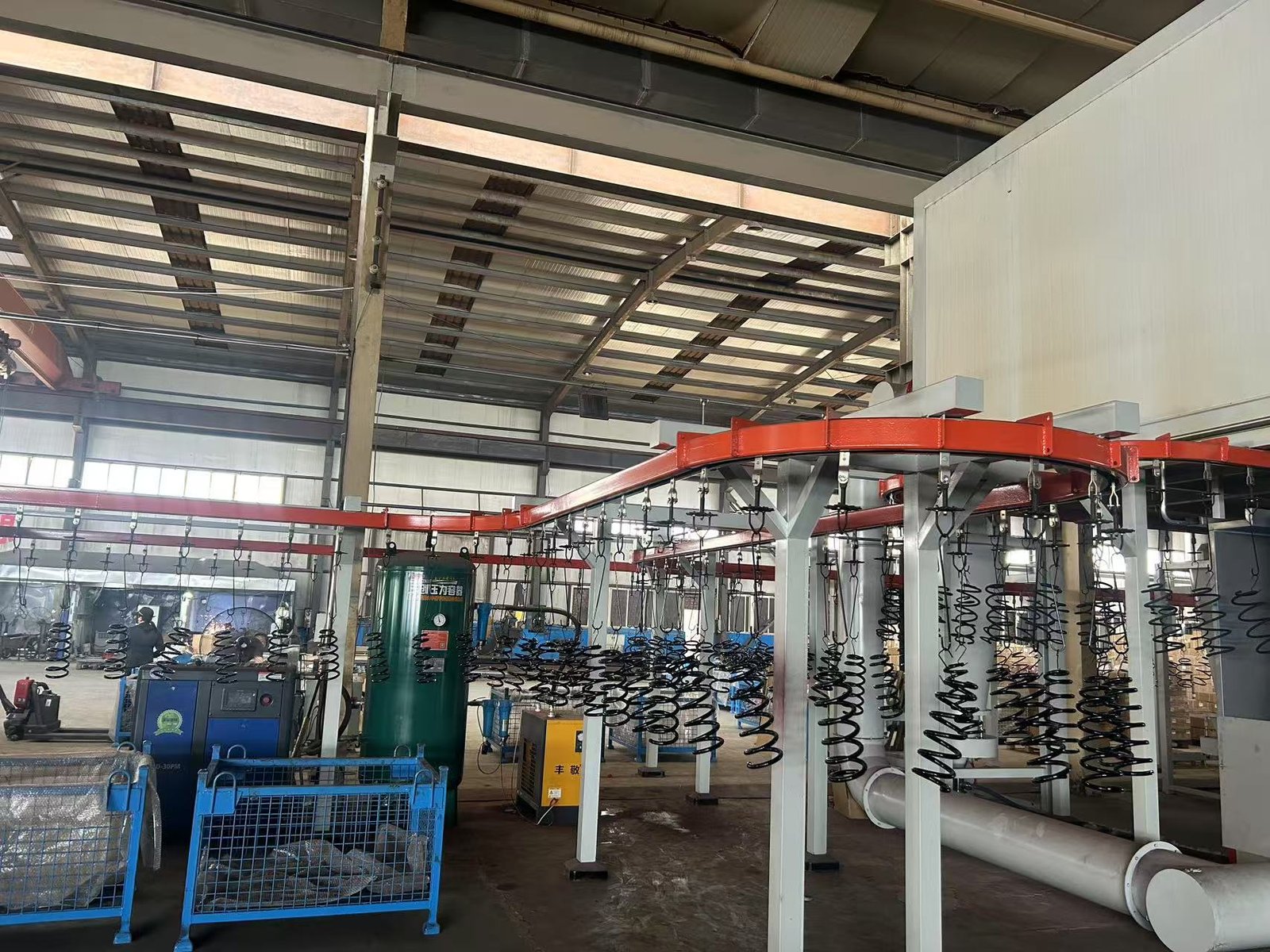
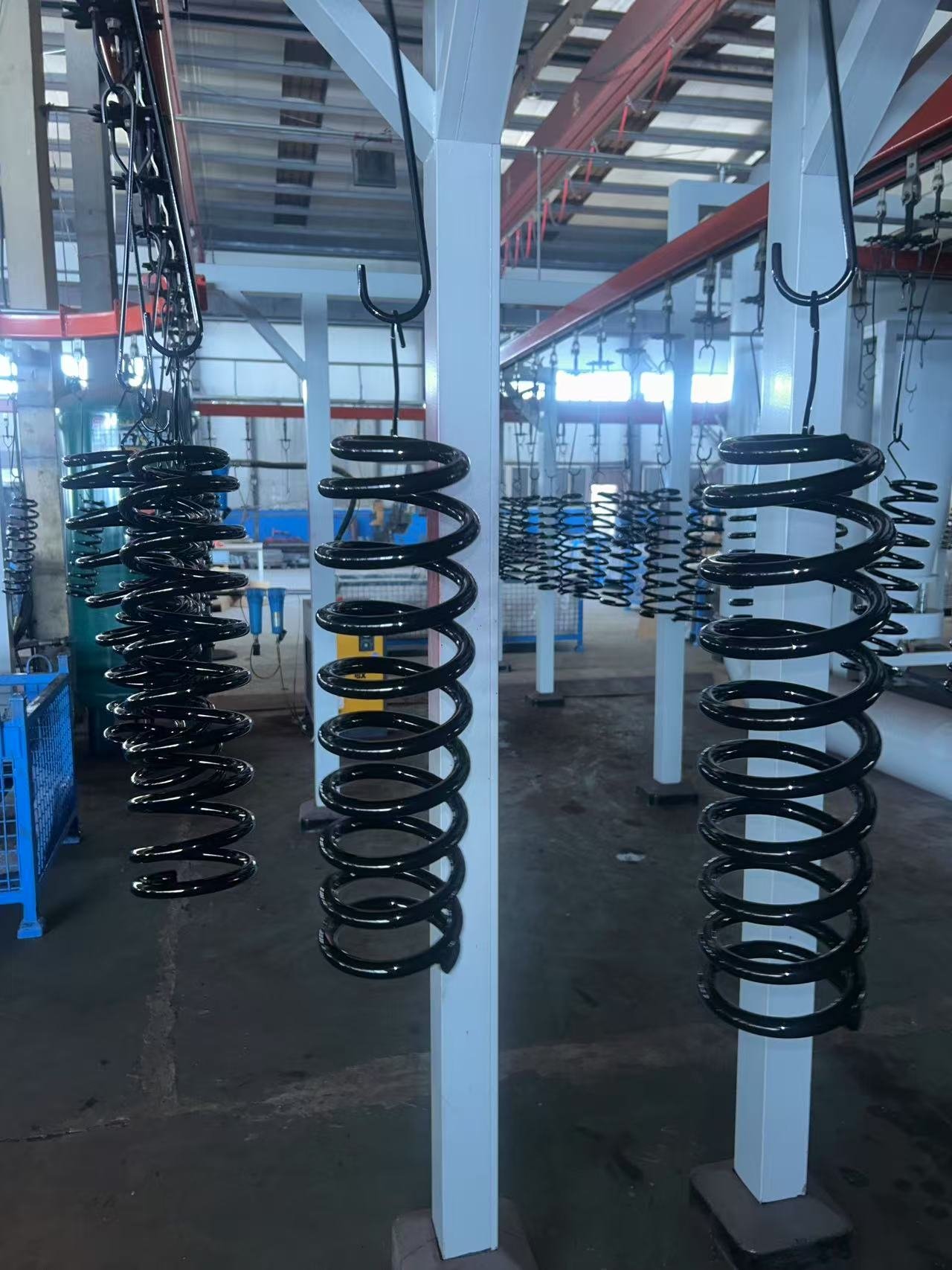
6. Surface Coating & Finish
Corrosion and surface cracks are enemies of spring life. At Longdong, we offer:
- Shot peening to enhance surface strength
- Phosphating & powder coating for corrosion resistance
- Electrophoretic coating for uniform protection in humid or coastal markets
Why It Matters
Choosing the wrong suspension spring can lead to:
- Poor ride comfort
- Premature failure
- Unstable handling
- Customer dissatisfaction
That’s why at Longdong Auto Parts, we provide expert consultation to help every client — from OEM engineers to custom builders — select or design the right spring for the right job.
If you’re unsure about the technical specs your application needs, our engineering team offers free consultation within 48 hours to review your vehicle dynamics, weight distribution, and road conditions.